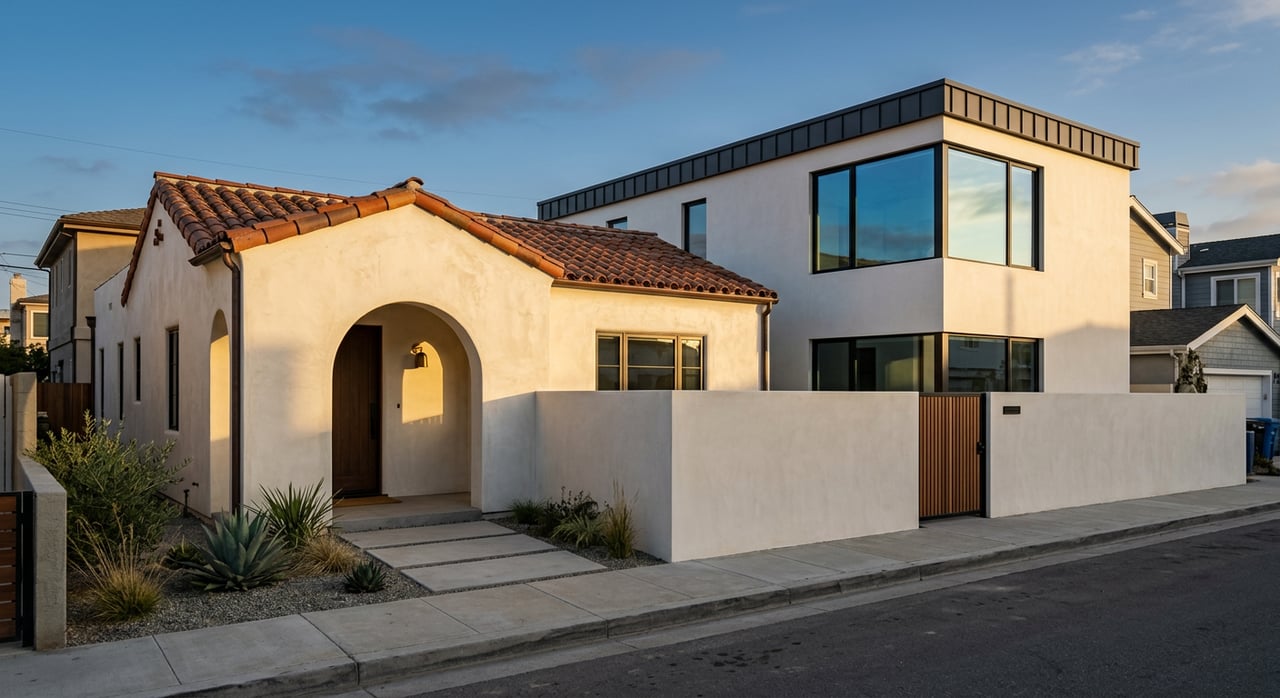
Are you wondering why two similar-looking homes in Venice can sell for very different prices right now? You are not alone. Venice is a coastal micro-market where small location shifts, historic overlays, and evolving rules can swing value quickly. In this guide, you will learn the real forces moving prices today, what recent data says, and how to navigate your next move with confidence. Let’s dive in.
Quick market snapshot
Recent neighborhood snapshots show a multi-million dollar baseline for most single-family sales in Venice. According to Redfin, the median sale price was about $1,999,000 in February 2026. Zillow’s typical home value was $1,786,414 as of January 31, 2026, and its median sale price snapshot at year-end 2025 came in at $2,025,833. Realtor.com’s “Venice Beach” sub-area listed a higher median in January 2026, reflecting boundary differences and a mix that includes more luxury single-family homes.
These numbers vary because each platform draws boundaries differently and updates at different times. Treat them as directional, not identical. What matters most is how your specific block, lot type, and property style compare to recent comps.
Activity and timing
Time-to-sale also varies by data source. Redfin showed a median of roughly 91 days on market in February 2026. Zillow’s late-January snapshot showed a shorter days-to-pending figure near 69 days. Different measurement windows explain much of the gap. The takeaway for you: pricing strategy and product fit matter more than a single headline number.
The drivers shaping Venice prices
1) Coastal location and the canals
Proximity to the beach or the Venice Canals is a primary value driver. Buyers commonly pay measurable premiums for immediate beach access, ocean views, or canal frontage compared with otherwise similar inland homes. The Venice Canals Historic District is a protected area that preserves small-scale character and limits supply growth, which helps support pricing on canal-front lots. You can see the preservation context in the California Coastal Commission’s exhibits on Venice canal protections and coastal approvals at the time of adoption.
- Learn about the canals’ protected status in the Coastal Commission’s exhibits: Venice Canals historic references and coastal approvals.
2) Architecture and neighborhood character
Venice offers early 20th-century bungalows, mid-century homes, renovated canal cottages, and new high-design builds. This variety attracts different buyer pools and directly affects price per square foot. Historic overlays and district standards in parts of Venice shape height, scale, and design review, which can preserve scarcity for smaller lots and intact historic homes.
- Review LA City Planning’s overview of Venice districts and overlays: Venice Districts report.
3) Lot size, ADUs, and SB 9 capacity
California’s ADU reforms and Los Angeles implementation make it easier to add a secondary unit, which some buyers model as long-term flexibility or supplemental income. SB 9 can enable two-unit projects or certain urban lot splits, creating a redevelopment premium on eligible parcels. In Venice, extra coastal and historic considerations apply. Coastal Development Permits, special overlays, and other exclusions can add steps or limit feasibility, especially near the beach or in the canals.
- ADU and housing policy overview: LA City Planning housing and ADU page.
- SB 9 rules and coastal checklists: LA City Planning SB 9 specialized requirements.
4) Amenity clustering and walkability
Homes near Abbot Kinney Boulevard and other destination streets benefit from a strong amenity premium. Walkable dining, independent retail, and cultural spots raise day-to-day convenience and appeal. Buyers focused on a live-work-play lifestyle often target these blocks.
- For a snapshot of retail presence on Abbot Kinney, see this corridor listing: 901 Abbot Kinney Boulevard.
5) Buyer demand from tech and creative sectors
Venice sits within Southern California’s “Silicon Beach” corridor that includes Santa Monica, Marina del Rey, and Playa Vista. Office leasing and hiring in these areas have historically fed higher-income buyer demand for Westside coastal living. That demand often favors modern design, indoor-outdoor flow, and proximity to work hubs and coworking.
- Read about regional office activity and investor appetite in nearby submarkets: CoStar coverage of top-tier Los Angeles office dynamics.
6) Short-term rental rules
The City of Los Angeles regulates short-term rentals through its Home-Sharing Ordinance. Registration is required, most programs are tied to primary residences, and there are limits for ADUs and rent-stabilized properties. These rules reduce pure vacation-rental investment plays in Venice. Still, legal home sharing can support pricing for certain properties near high-foot-traffic corridors.
- See the city’s Home-Sharing rules: Los Angeles Municipal Code home-sharing section.
7) Climate, coastal regulation, and insurance
Coastal flood risk, sea level rise, and evolving state and local guidance influence long-term value and permitting in Venice’s Coastal Zone. Buyers and lenders increasingly consider potential insurance costs and permit complexity when pricing beachfront or canal-front homes. Long-term owners should evaluate flood zones, future adaptation planning, and the potential impact on holding costs.
- Explore the Coastal Commission’s Venice sea level rise vulnerability work: Venice coastal vulnerability exhibits.
How these factors interact
Scarcity meets amenity premiums
There is a limited number of true beach-edge and canal-front lots in Venice. Historic protections and coastal constraints reduce the ability to scale up inventory on those blocks. That scarcity, combined with lifestyle amenities, helps sustain premiums for the most sought-after micro-locations.
Segments behave differently
Think of Venice as three overlapping segments:
- Canal and immediate beach frontage: highest per-foot pricing, careful buyer sets, and more complex permitting contexts.
- Abbot Kinney and amenity-adjacent blocks: strong demand from buyers who prioritize walkability and lifestyle.
- Inland or redevelopment-oriented lots: value often driven by lot size, floor area potential, and ADU or SB 9 paths.
When mortgage rates rise, segments reliant on financing can slow more than cash-heavy luxury segments. When inventory stays tight, best-in-class listings with design or location advantages still command strong results.
Rates and affordability
Typical 30-year fixed mortgage averages were near the 6 percent range in early March 2026. At Venice price points, that shapes who can buy, how aggressively they bid, and how many offers appear on a property. All-cash and well-qualified tech or creative buyers continue to anchor many larger transactions.
- Track rate context: Fortune’s mortgage rate snapshot for March 11, 2026.
What this means if you are buying
- Focus on micro-location. A two-block shift toward the beach or closer to Abbot Kinney can move your price band and resale outlook.
- Verify capacity. If you value flexibility, confirm ADU or SB 9 feasibility on the exact parcel. Coastal Zone and historic overlays can change the answer.
- Model carrying costs. For canal or beachfront homes, budget for insurance and permitting timelines tied to coastal reviews.
- Be product-specific. Well-designed, move-in-ready homes still outperform. If you are evaluating a project house, price in realistic upgrade and timeline assumptions.
- Stay rate-aware. Lock strategies and lender choices can improve monthly affordability even when rates hover near 6 percent.
What this means if you are selling
- Lead with the right story. Highlight micro-location benefits, architectural quality, and any legal, well-executed ADUs.
- Price from the block out. Use very recent comps and adjust for waterfront proximity, walkability, and unique features to avoid chasing the market.
- Stage for lifestyle. Emphasize indoor-outdoor flow, natural light, and flexible work areas. Venice buyers respond to high-quality presentation.
- Prep for diligence. Have permit histories, coastal or historic documents, and ADU/SB 9 details ready to build buyer confidence.
- Watch timing. If data shows longer marketing periods, a pre-launch plan and targeted exposure can keep momentum strong.
What this means if you are holding long term
- Plan improvements with overlays in mind. Design within district standards to preserve future options and value.
- Revisit insurance and risk. Review flood maps and carrier availability annually, especially for coastal or canal homes.
- Consider flexible-use upgrades. Where allowed, an ADU can add utility for guests, caregivers, or long-term rental income.
- Track amenity evolution. New retail and streetscape improvements can lift nearby values over time.
A practical due diligence checklist
Use this quick reference before you write an offer or set a list price:
- Location tiering: Canal-front, beach-proximate, amenity-adjacent, or inland. Price and demand vary across these tiers.
- District overlays: Confirm historic, specific plan, and Coastal Zone requirements. Start with the Venice Districts report.
- ADU feasibility: Review setbacks, parking, and utility constraints. See LA City Planning’s housing and ADU page.
- SB 9 eligibility: Check parcel-level exclusions, especially in the Coastal Zone. Use the SB 9 specialized requirements.
- Coastal and climate risk: Review Venice’s vulnerability work and discuss insurance scenarios. Start with the coastal vulnerability exhibits.
- Short-term rental rules: If you plan to host legally, confirm eligibility and registration under the Home-Sharing Ordinance.
Your next step
Venice rewards precision. The right pricing, presentation, and parcel-level strategy can add real money to your bottom line. If you want a block-by-block plan, local comps, and a clear read on ADU or SB 9 potential, connect with a team that works these streets every day. Reach out to Jasan Sherman for a tailored pricing brief or on-the-ground preview tour.
FAQs
What drives Venice home prices near the canals?
- Canal frontage, historic protections, and limited lot supply create a premium compared with otherwise similar inland properties.
How do ADUs and SB 9 affect values in Venice?
- Where allowed, ADUs and SB 9 can add flexibility or redevelopment upside, but Coastal Zone and historic overlays can limit feasibility on many parcels.
Do Venice short-term rental rules impact investment value?
- Yes. Los Angeles’ Home-Sharing Ordinance ties hosting to primary residence rules and registration, which reduces pure STR investment plays.
How do mortgage rates around 6 percent affect Venice buyers?
- Higher rates shrink financed buyer pools at multi-million price points and increase the share of cash or well-qualified buyers.
Why do different sites show different Venice price stats?
- Platforms use different boundaries and update schedules, so their medians differ; cite the date and source when comparing.
Are properties near Abbot Kinney worth more?
- Homes near walkable retail and dining often see stronger demand because many buyers value convenience and lifestyle in Venice.
