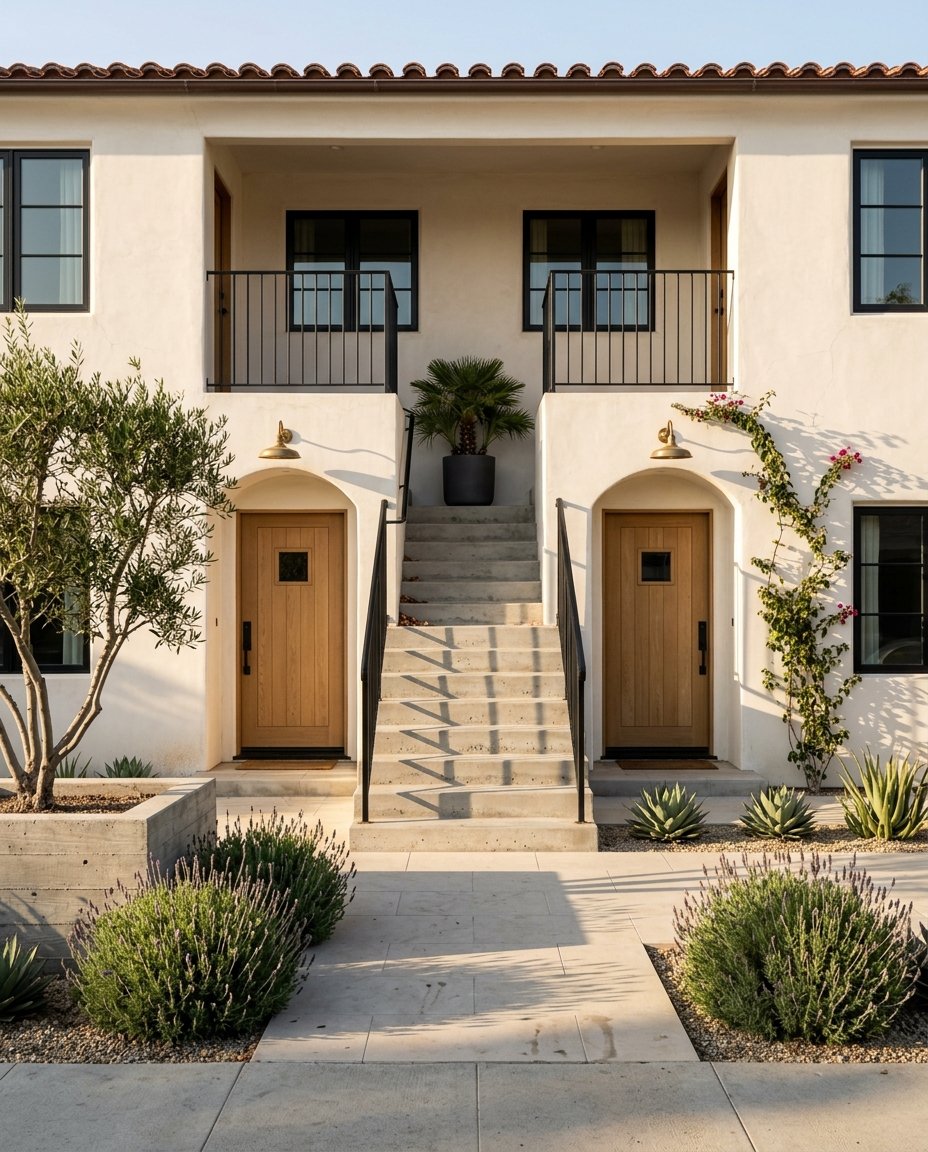
If you are looking at duplexes or small multifamily in Venice, the headline is simple: this is usually a location-scarcity play first and a cash-flow play second. That can feel exciting and complicated at the same time, especially when prices are high, rents vary by pocket, and local rules can shape what you can actually do with a property. In this overview, you will get a practical look at how Venice small multifamily works, what drives value, and where careful due diligence matters most. Let’s dive in.
Venice Market Snapshot
Venice remains one of the Westside’s higher-priced coastal submarkets. Realtor.com’s March 2026 neighborhood data show a median listing price of $2.5 million, a median rental price of $4,995, and 54 median days on market. Redfin’s Venice multifamily data show 47 multifamily listings at a median listing price of $2.5 million and about 77 days on market.
For you as a buyer or investor, that usually points to a market where long-term location value and limited supply carry a lot of weight. In plain terms, many Venice deals are underwritten with appreciation and scarcity in mind, not just near-term income.
What Counts as Small Multifamily in Venice
Venice does not offer one single multifamily product type. Current listing inventory includes duplex-style properties as well as larger low-rise buildings with layouts ranging from 2-bed and 4-bed setups to 7-unit, 14-unit, and even 20-unit configurations.
That variety matters because your strategy should match the actual asset. A true duplex, a small apartment building, and a larger low-rise can each come with different operating realities, renovation potential, and planning considerations.
Why the Building Type Matters
A smaller two-unit property may appeal to buyers who want flexibility, such as living in one unit and renting the other, or holding a compact income property in a prime coastal location. A larger building may offer more rental income lines, but it can also bring more operational complexity.
In Venice, the building itself is only part of the story. The block, parcel, and local planning context often carry just as much importance as unit count.
Venice Is a Micro-Location Market
One of the biggest mistakes you can make is treating all of Venice as if it performs the same way. Realtor.com’s neighborhood rent data show meaningful variation across local pockets, with median rents around $3,770 in East of Lincoln, $4,595 in Ocean Park, $4,250 in Venice Beach, $5,199 in Windward Circle, and $6,622 in Oakwood.
That spread tells you something important. The Venice name alone does not create the full investment story. Rent potential can shift based on exact location, access patterns, nearby amenities, and the feel of a specific block.
What Drives Rent Demand
The City of Los Angeles planning documents highlight several factors that support ongoing housing demand in Venice. These include beach access, walkability, neighborhood-serving commercial areas, mixed-use corridors, and transit connections to Santa Monica, Marina del Rey, and Palms-Mar Vista.
For practical underwriting, that means you should look closely at everyday usability. Properties with strong access to local retail, pedestrian-friendly streets, commuting options, and coastal amenities may benefit from stronger renter demand than similar properties in less convenient micro-locations.
Why Venice Often Looks Better for Appreciation Than Yield
If you run a rough gross-yield screen using neighborhood median listing prices and rents, Venice comes out at about 2.4%. By comparison, Santa Monica screens around 3.0%, Mar Vista around 1.6%, and Culver City around 4.6%.
This is only a directional screen, not a substitute for deal-level analysis. Still, it helps frame expectations. Venice may not be the strongest Westside choice if your top goal is current income relative to purchase price.
A Quick Westside Comparison
| Area | Rough Gross Yield Screen | Median Multifamily Listing Price | Days on Market |
|---|---|---|---|
| Venice | 2.4% | $2.5M | 77 |
| Santa Monica | 3.0% | $2.15M | 76 |
| Mar Vista | 1.6% | $1.52M | 76 |
| Culver City | 4.6% | $1.86M | 62 |
This comparison suggests Venice is often best viewed as a scarcity-driven coastal market with meaningful tenant demand, but thinner income yield than some nearby alternatives. If you want stronger rent-to-price math, Culver City may screen better. If you want a similar coastal story, Santa Monica may deserve a side-by-side look.
Rent Control Can Shape the Numbers
In Los Angeles, rent rules are not a side note. They can materially affect your business plan. According to the Los Angeles Housing Department, the City of Los Angeles Rent Stabilization Ordinance generally applies to rental properties built on or before October 1, 1978, including duplexes and two or more single-family dwellings on the same parcel.
For units subject to the ordinance, the allowable annual rent increase is 3% for the period from July 1, 2025 through June 30, 2026. In practical terms, that means older Venice properties may offer less flexibility for raising rents year to year, especially if existing rents are below current market levels.
Why Turnover Matters in Older Assets
Because annual increases may be limited in covered properties, turnover can become a key factor in the income story. If you are reviewing an older duplex or small multifamily building, you will want to understand current rent levels, tenant history, and whether the asset’s performance depends more on long-term occupancy or future unit turnover.
This is one reason Venice underwriting should stay very property-specific. Two buildings on nearby blocks can look similar at first glance but perform very differently depending on rent-control status and in-place rents.
Coastal Planning Adds Another Layer
Venice sits within an active coastal planning framework. The City’s Venice Local Coastal Program page notes that the City has a certified Land Use Plan, while the Implementation Plan has not been certified, and that the program governs land use, development, natural resource protection, coastal access, public recreation, and sea-level-rise vulnerability.
For you, that means permit and planning diligence should be part of the process from the start. If a deal depends on additions, major remodel work, or repositioning, it is smart to evaluate the planning pathway early rather than treating it as a later detail.
Historic Context Can Affect Repositioning
Venice has a layered built environment, and some blocks carry meaningful historic context. The Venice Community Plan’s historic resources inventory includes early structures such as the Windward Apartments from 1906, the old Venice Library, and other landmarks. The plan also encourages preservation, maintenance, enhancement, and reuse of historic buildings.
That can create opportunity, but it can also narrow your options. A remodel-heavy strategy may need extra review if a property sits near identified historic resources or within an area where facade preservation and design considerations are more important.
Why Block-Level Diligence Matters
The Venice Community Plan also references preservation and restoration of historic buildings and original facades, along with historic districts and landmarks such as the Windward Historic Arcade District. This does not mean you should avoid older properties. It simply means you should confirm what is possible before you build renovation costs and future rents into your numbers.
In Venice, adaptive reuse and value-add potential can be very block-specific. That is one reason local guidance matters so much in this market.
A Practical Way to Evaluate a Venice Deal
When you look at a duplex or small multifamily property in Venice, it helps to keep your review grounded in a few core questions.
Start With the Location Thesis
Ask what exactly is driving demand at that parcel. Is it beach proximity, walkability, access to neighborhood retail, commuting convenience, or a combination of those factors? Since rent levels vary across Venice, your location thesis should be tied to the actual property, not the ZIP code alone.
Review the Rent Story Carefully
Look at current rents, projected rents, and whether the property may fall under the Rent Stabilization Ordinance. If it is an older asset, understand whether the upside depends on modest annual increases or future turnover.
Check the Planning Path Early
If your plan involves upgrades, additions, or repositioning, confirm the local planning context before you assume a value-add path is straightforward. Coastal planning and historic considerations can influence both timing and scope.
Compare Venice to Nearby Options
If your priority is current income, it may help to compare Venice with Santa Monica, Culver City, or Mar Vista. Venice can still be a compelling hold, but your expectations should match the market’s typical rent-to-price profile.
Who Venice Small Multifamily May Fit Best
Venice can be a strong fit if you value long-term Westside positioning, limited coastal supply, and the appeal of owning in a location with durable tenant demand. It may also suit buyers who want a more hands-on strategy around leasing, tenant placement, or ongoing building oversight.
If your goal is strictly maximizing near-term yield, Venice may not always be the first market to prioritize. In many cases, it works best for buyers who understand that the value proposition can extend beyond the first-year income numbers.
Local Guidance Matters in Venice
Venice rewards detail-oriented buying. Between rent-control questions, coastal planning, historic context, and wide variation from one pocket to the next, the best opportunities are often the ones that have been vetted carefully before you write an offer.
If you are weighing a Venice duplex or small multifamily purchase, or deciding whether to hold, lease, or reposition a current property, working with a team that knows the Westside can save time and sharpen your decision-making. For tailored guidance on Venice, Santa Monica, and nearby Westside opportunities, connect with Jasan Sherman.
FAQs
What makes Venice duplexes different from other Westside rentals?
- Venice duplexes and small multifamily properties often trade on coastal location, limited supply, and micro-location appeal more than on strong current income alone.
How do Venice rents vary by area?
- Median rents in Venice vary meaningfully by local pocket, ranging from about $3,770 in East of Lincoln to about $6,622 in Oakwood, with other subareas falling in between.
Are older Venice duplexes subject to Los Angeles rent rules?
- Many rental properties built on or before October 1, 1978 in the City of Los Angeles, including duplexes and certain multi-unit properties, generally fall under the Rent Stabilization Ordinance.
Why is planning review important for Venice multifamily properties?
- Venice is within an active coastal planning framework, so development, major remodels, and property changes may require added diligence around land use and permitting.
Do historic considerations affect Venice value-add projects?
- They can, because the Venice Community Plan encourages preservation and reuse of historic buildings and identifies historic resources and districts that may influence renovation scope.
Is Venice a good market for cash flow?
- Venice can offer strong tenant demand, but the rough gross-yield screen in the research suggests it is often a thinner current-yield market than some nearby areas like Culver City.
Should you compare Venice multifamily with Santa Monica or Culver City?
- Yes, because nearby Westside markets can present different entry prices, days on market, and rent-to-price dynamics that may better match your goals.
