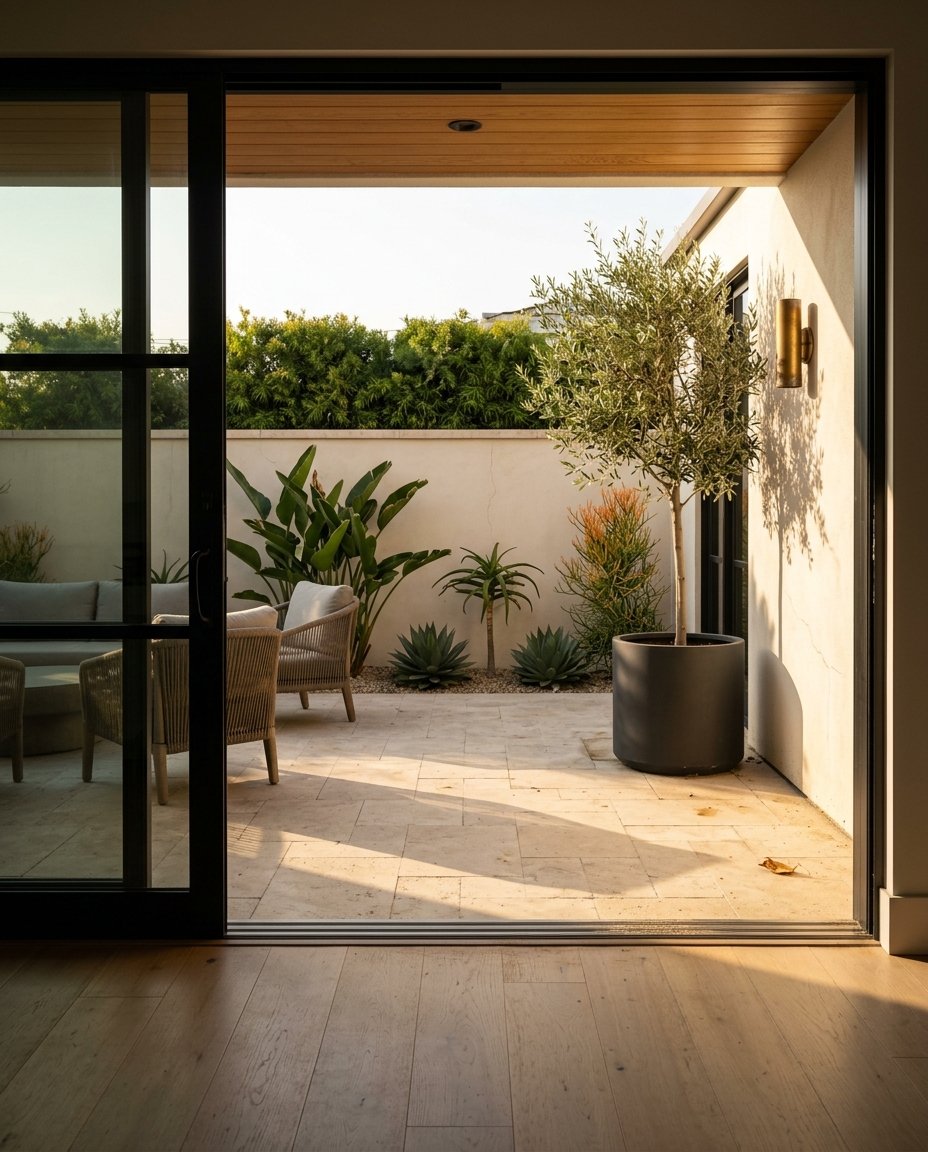
If you are thinking about selling in Venice, timing and presentation can shape your result more than you might think. In a high-price, somewhat competitive market, buyers often make fast decisions online before they ever set foot inside a home. The good news is that a clear pre-listing plan can help you avoid rushed choices, protect your timeline, and launch with confidence. Let’s dive in.
Why prep matters in Venice
Venice is a premium coastal market, and current pricing data points to that clearly. Redfin’s March 2026 snapshot placed the median sale price around $1.89 million, while Zillow’s April 2026 home-value page showed an average home value near $1.83 million and a median sale price above $2.06 million. The exact numbers differ by source, but the takeaway is the same: in Venice, details matter.
Buyers here are often evaluating more than square footage alone. Research shows buyers care deeply about neighborhood quality and convenience to friends and family, which aligns with Venice’s strong draw around setting, walkability, and indoor-outdoor living. That means your home’s presentation should help buyers picture the full lifestyle, not just the floor plan.
The first showing usually happens online. Buyers typically begin their search on the internet, often spend about 10 weeks searching, and view a median of seven homes. With that kind of screening happening early, your listing package needs to be ready before you hit the market.
Your Venice pre-listing timeline
4 to 6 weeks before launch
This is the foundation stage. Start by decluttering, deep cleaning, removing personal items, and finishing minor repairs or paint touch-ups.
These steps are not cosmetic extras. According to the National Association of Realtors 2025 staging report, the most common seller recommendations were decluttering, whole-home cleaning, and improving curb appeal. The same report found that staging was linked to faster sales for many sellers’ agents and, in some cases, stronger offered value.
Focus on simple improvements that help buyers see the home clearly:
- Remove excess furniture that makes rooms feel smaller
- Clear countertops and open shelving
- Patch scuffs and small wall damage
- Refresh worn paint where needed
- Clean windows, flooring, and baseboards
- Tidy entry areas and exterior approach
If you have been putting off small maintenance items, this is the time to handle them. In a visually driven market like Venice, minor issues can distract buyers from a home’s strongest features.
2 to 3 weeks before launch
Now shift from cleaning up to shaping the experience. This is the best time to stage the rooms that influence buyers most.
The top priority spaces are the living room, primary bedroom, and kitchen. Those rooms stood out in NAR’s 2025 staging report, and buyers’ agents said staging helps buyers imagine the property as their future home. That matters because emotional connection often starts with how easy the home feels to understand.
In Venice, staging should also support how people want to live near the coast. Clean lines, open flow, natural light, and thoughtful outdoor moments can all help the home feel more complete. The goal is not to over-style the property. It is to make the space feel calm, functional, and ready.
7 to 10 days before launch
This is media week, and it should happen only after the home is truly ready. Schedule professional photography, a floor plan, and any video or 3D tour during this window.
That sequence matters because buyers consistently rank visual tools among the most important listing features. Zillow’s 2025 prospective-buyer survey found that high-resolution photos, floor plans, and 3D or virtual tours are top priorities. Zillow’s photography guidance also suggests 22 to 27 listing photos, with strong exterior coverage and true-to-life images.
For your shoot, plan for:
- High-resolution interior and exterior photography
- A floor plan
- Optional video or 3D tour if appropriate for the home
- Accurate, natural-looking images
- Clear coverage of outdoor spaces and architectural features
Do not photograph unfinished repairs or areas that are not ready. True-to-life presentation is important, but so is launching only after the home shows well.
Launch week
When you go live, everything should be in place. That includes photos, property description, disclosures, and showing instructions.
This step is easy to underestimate, but it is one of the most important parts of the process. Because buyers are filtering quickly online, your launch has to be polished from day one. A listing that looks incomplete can lose momentum before it has a real chance to perform.
Venice-specific details to check before listing
Coastal wear and tear
Venice homes face conditions that can show up in subtle ways. Salt spray, sand, and humidity can speed up corrosion, especially on exposed metal surfaces.
Before photography and showings, inspect visible items like gates, railings, outdoor light fixtures, door hardware, window tracks, and other weather-exposed metal. Even small signs of rust or wear can pull attention away from the home’s overall presentation. A quick refresh can go a long way.
Outdoor spaces
In Venice, outdoor living is part of the value story. Patios, courtyards, balconies, roof decks, and outdoor showers should be prepared with the same care as the kitchen or living room.
Zillow recommends highlighting features like decks, landscaping, views, pools, hot tubs, and architectural details in listing photography. If your home has a usable outdoor area, clean it, simplify it, and stage it so buyers can immediately understand how it lives. For many Venice buyers, that space is not a bonus. It is part of the main appeal.
Permit history and property records
This is especially important if you have completed exterior work or any additions or improvements over time. In the Venice Coastal Zone, the Venice Local Coastal Program includes regulations beyond ordinary zoning and land use, and city planning guidance notes the need to address coastal hazards and sea-level-rise risk.
Before listing, it can be smart to review building records, parcel profile reports, and zoning letters through LADBS. The city notes that current property owners are responsible for complying with code orders, even if earlier owners created the issue. Verifying what was permitted before you list can help you avoid delays later.
Disclosures to prepare early
Disclosures should not be an afterthought. In California, the Real Estate Transfer Disclosure Statement is a disclosure of condition, not a warranty, and state law requires that it be delivered as soon as practicable before transfer of title.
There is also the Natural Hazard Disclosure requirement. The California Geological Survey states that sellers and agents must provide a Natural Hazard Disclosure Statement if the property is in one or more state-mapped hazard areas. Given Venice’s coastal setting and local planning focus on coastal hazards, reviewing this early is a practical step.
If your home was built before 1978, federal lead-based paint rules also apply. Sellers must disclose known lead information and provide the required pamphlet before the contract is signed.
Early preparation can make the entire listing process smoother. It gives you more time to gather records, answer questions, and move forward without a last-minute scramble.
What buyers notice most online
Because the selling process is now so digital, your listing package needs to reflect how buyers actually shop. Research shows that photos are one of the most useful website features for many buyers, and floor plans and virtual tools also rank high.
That means your marketing should do more than document the home. It should help buyers understand the layout, the light, the outdoor areas, and how the property fits into daily life. In Venice, where setting and lifestyle often influence decisions, this is especially important.
A strong online presentation usually includes:
- 22 to 27 quality listing photos
- Strong exterior images
- True-to-life room representation
- A clear floor plan
- Well-prepared outdoor shots
- Accurate property details and disclosures
A simple pre-listing checklist
If you want a practical way to stay on track, use this checklist before you list your Venice home:
- Declutter each room
- Deep clean the full property
- Remove highly personal items
- Complete minor repairs and paint touch-ups
- Refresh curb appeal
- Stage the living room, primary bedroom, and kitchen
- Prepare patios, decks, balconies, or courtyards
- Check visible metal for coastal corrosion
- Review permit history and property records
- Gather disclosure materials early
- Schedule professional photography and a floor plan
- Confirm showing instructions before launch
Why a clear timeline can protect your sale
Many sellers lose time by trying to do everything at once. A better approach is to build the listing in stages so each decision supports the next one.
That matters in Venice, where buyers are often selective and visually driven from the start. With professional prep, strong media, and accurate documentation, your home has a better chance to make a strong first impression and keep momentum once it hits the market. That is exactly where thoughtful, local guidance can make a difference.
If you are getting ready to sell in Venice and want a tailored launch plan, connect with Jasan Sherman for experienced Westside guidance, elevated presentation, and a thoughtful strategy built around your timeline.
FAQs
What is a good pre-listing timeline for selling a Venice home?
- A practical timeline is 4 to 6 weeks for cleaning, decluttering, and repairs, 2 to 3 weeks for staging, 7 to 10 days for photography and floor plans, and launch only when the full listing package is ready.
Which rooms matter most when staging a Venice home for sale?
- The living room, primary bedroom, and kitchen are the most important rooms to stage based on the 2025 NAR staging report.
How many photos should a Venice home listing include?
- Zillow’s photography guidance suggests 22 to 27 listing photos, with strong exterior coverage and accurate, true-to-life images.
Is staging worth it when selling a home in Venice?
- Research cited in the NAR 2025 staging report found that staging was associated with faster sales for many sellers’ agents and, in some cases, a 1% to 10% increase in offered value.
What Venice-specific issues should sellers check before listing?
- Sellers should pay close attention to coastal wear like rust or corrosion on exposed metal, prep outdoor living spaces carefully, and review permit history if there has been exterior work or improvements.
What disclosures should sellers prepare for a Venice home sale?
- Sellers should prepare the California Transfer Disclosure Statement early, review whether a Natural Hazard Disclosure Statement is required, and provide lead-based paint disclosures if the home was built before 1978.
