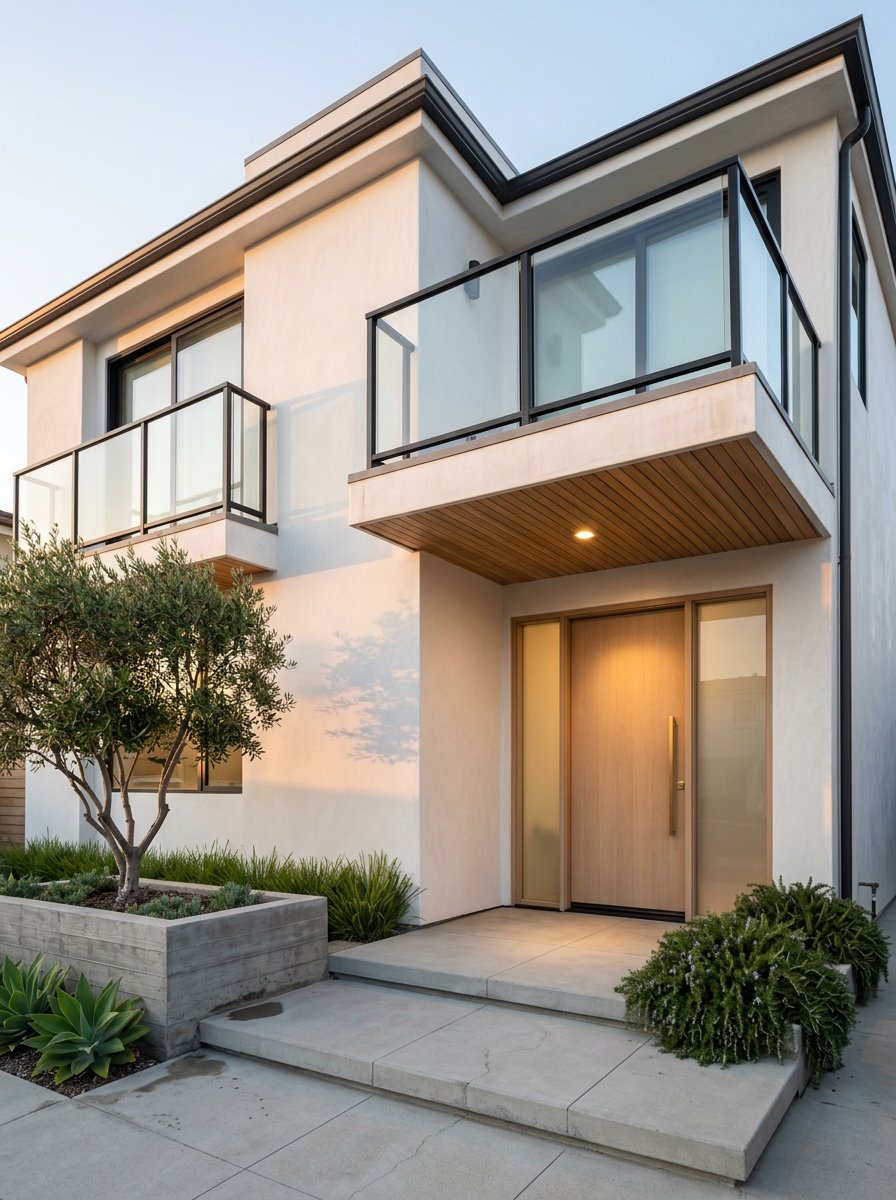
Torn between the lock-and-leave ease of a condo near the beach and the space and privacy of a house north of Montana? You are not alone. Many Santa Monica buyers weigh convenience, cost, and lifestyle as they decide. In this guide, you will learn how prices, monthly costs, rules, and daily living differ in 90402 and nearby coastal neighborhoods so you can choose with confidence. Let’s dive in.
Market context in 90402
Citywide, condos and townhomes in Santa Monica usually cost less than single-family homes. Recent local summaries show many condos trading in the low seven-figure range, while single-family homes often sell in the multi-million range. In 90402, which largely aligns with North of Montana, prices for houses skew higher than city medians due to larger lots and its established residential feel.
Inventory is tight across property types. Single-family homes often draw strong interest, while well-located condos near Ocean Avenue and Downtown appeal to buyers who want walkability and amenities. Your best choice comes down to how you want to live and what level of maintenance, privacy, and flexibility you prefer.
Cost of ownership basics
Owning a condo or house in Santa Monica involves different cost patterns. Here is how they compare at a high level.
- Purchase price: Condos typically have lower acquisition costs than houses, especially north of Montana. Houses in 90402 tend to carry premium pricing.
- HOA dues: Most condos include monthly HOA fees that can range widely based on building size and amenities. In Santa Monica you might see dues from a few hundred dollars to well into the thousands in full-service oceanfront buildings. Always confirm what is covered.
- Maintenance: Condo HOAs usually handle exterior, roof, and common systems. Inside your unit, you handle appliances and finishes. Houses put you in charge of everything, from the roof to the yard.
- Property taxes: In California, Proposition 13 sets the base tax rate at around 1 percent of assessed value plus local assessments. Ask escrow for a property-specific estimate before you finalize an offer.
What HOAs cover and how to vet them
HOA dues are only as good as the services and financial health behind them. Before you buy a condo or a townhome, request the full resale packet with CC&Rs, budget, reserve study, insurance master policy, meeting minutes, and the last two years of financials. California’s Davis–Stirling rules require HOAs to study and disclose reserves, which helps you gauge risk for special assessments. Review the HOA’s reserve plan and any history of assessments in recent years. For background on required reserve planning, see the Davis–Stirling guidance on the duty to fund reserves at the Davis–Stirling resource site.
- Start with the budget and reserve study. Look for adequate reserve funding for big-ticket items like roofs, exterior paint, and elevators.
- Read the meeting minutes. They often flag upcoming projects and assessments.
- Compare the master insurance policy scope. Deductibles and coverage limits matter to your personal policy costs.
You can learn more about reserve obligations under state law in the Davis–Stirling section on the duty to fund reserves. That page explains how boards plan for long-term repairs and what they must disclose.
Safety inspections to confirm
California requires inspections of exterior elevated elements in many multi-unit buildings. Two laws apply:
- SB 326 covers condominiums and common-interest developments. Ask for the most recent SB 326 inspection report and any follow-up repairs or permits if the building has balconies, walkways, or similar elements.
- SB 721 applies to apartment buildings. If you are considering a condo conversion or mixed-use scenario, your agent can help clarify which statute applies to a specific property.
These reports affect budgets, timelines, and safety. When you review a condo’s resale packet, confirm whether inspections were completed and what work is planned. You can reference the SB 326 bill text and SB 721 bill text for the basics on scope and compliance.
Insurance: condo HO-6 vs house
Condo buyers typically carry an HO-6 policy. It covers your personal property, liability, and interior improvements, while the HOA’s master policy covers common areas and parts of the structure based on whether the association maintains a “bare walls” or “all-in” policy. Compare the master policy’s scope and deductible before quoting your HO-6 so you know your gap exposure. For a clear HO-6 overview, see this primer from Insuranceopedia.
House buyers carry a standard homeowners policy for the full structure. In both cases, earthquake and flood are not part of most standard policies. Given Santa Monica’s coastal setting, it is smart to look at earthquake options and to check any flood exposure, especially for beach-adjacent condos. The city’s climate resilience and adaptation pages outline how local planning addresses sea-level rise and coastal hazards.
Lifestyle fit: walkability, privacy, and parking
- Condos near Downtown, Ocean Avenue, and the beach offer quick access to Third Street Promenade, the pier, and the E Line at the Downtown Santa Monica station. If you value walkability and a shorter car commute, these locations are attractive.
- North of Montana in 90402 reads as an interior residential area with more privacy and yard space. If you want outdoor areas and separation from neighbors, a house in this pocket often fits that goal.
- Parking is a practical divider. Many condos include assigned or tandem parking and rely on guest permits. Street parking is actively managed in Santa Monica. Check if your future address sits in a preferential parking zone and price permits into your monthly budget.
Rules for renting and short stays
If you plan to rent your property, learn the rules before you buy. Santa Monica has a rent control framework and actively enforces short-term rental laws. Many buildings prohibit vacation rentals under 30 days, and the city requires registration and permits where allowed. The city’s recent enforcement actions, including a lawsuit against a serial short-term rental violator, show how closely these rules are monitored. For condos, confirm rental limits and minimum lease terms in the CC&Rs before you write an offer.
Flexibility and ADUs with houses
Single-family homes usually offer more flexibility to remodel, expand, or add an accessory dwelling unit over time, subject to local zoning. Santa Monica’s municipal code includes a section on ADU condominiums that outlines when separate sale or conveyance of ADUs may be allowed under state and local rules. If long-term flexibility or potential future saleability of an ADU matters to you, discuss parcel-specific feasibility with your agent and a land-use attorney, and review the code section on ADU condominiums.
Due diligence checklist for Santa Monica buyers
Use this targeted list to keep your review tight and efficient.
- HOA resale packet. Ask for CC&Rs, budget, reserve study, minutes, insurance master policy, and two years of financials. The Davis–Stirling reserve funding guidance explains what healthy planning looks like.
- SB 326 and SB 721 inspections. Request the latest SB 326 report for condos and confirm any SB 721 obligations if relevant. Verify repair status and permits.
- Master insurance policy. Review coverage type and deductible, then align your HO-6 or homeowners quote. The HO-6 primer is a helpful explainer.
- Short-term rental compliance. If you want to host or rent, confirm city registration requirements and any HOA restrictions. The city’s enforcement actions underscore the need to comply.
- Local hazards and mapping. Check FEMA flood zones and the city’s Safety Element update and hazard resources. Coastal buyers should pay special attention to elevation and adaptation planning.
- Parking and permits. Confirm deeded or assigned spaces, guest policies, and eligibility for a preferential parking permit if you will rely on street parking.
- House-specific flexibility. For single-family homes, ask about existing ADUs and whether Santa Monica’s ADU condominium framework could affect long-term options.
You can access the city’s Safety Element update and hazard resources to understand local risk mapping and adaptation planning.
Quick decision guide
Not sure where you land? Use these simple filters.
- Choose a condo if you want lower day-to-day maintenance, value walkability and building amenities, and prefer predictable monthly costs through HOA dues.
- Choose a house if you want private outdoor space, more storage and parking, and greater control over future changes like remodels or ADUs.
- Choose a coastal condo if your priority is being near the beach and transit. Confirm HOA health, balcony inspections, insurance scope, and rental rules.
- Choose North of Montana if you value an interior residential setting and are prepared for premium pricing and full maintenance control.
The bottom line
Both condos and houses in Santa Monica can be smart buys. Your best fit depends on how you live, your tolerance for maintenance, and how much flexibility you want over time. If you compare total monthly costs, review HOA health, confirm safety inspections, and map the city rules that apply to your plans, you will make a clear, confident choice.
Ready to compare live options block by block in 90402 and along the coast? Connect with the local team that pairs 25 years of Santa Monica expertise with a boutique, high-touch approach. Reach out to Jasan Sherman for a personalized condo-versus-house consult and on-the-ground tours.
FAQs
What costs do Santa Monica condo HOA dues usually cover?
- Many HOAs cover exterior maintenance, common areas, building insurance on a master policy, and sometimes water and trash; always review the budget, reserve study, and master policy in the condo resale packet and the Davis–Stirling reserve guidance.
What are SB 326 and SB 721 and why do they matter to buyers?
- They are California laws that require inspections of elevated exterior elements; buyers should request the most recent SB 326 report for condos and verify any SB 721 obligations for applicable buildings to understand repair needs and timelines.
How do condo and house insurance needs differ near the beach?
- Condos use an HO-6 policy that complements the HOA’s master policy, while houses carry full-structure coverage; in both cases consider earthquake and check any flood exposure, and review the city’s climate resilience resources for coastal context.
How does Santa Monica treat short-term rentals in condos and homes?
- The city regulates short-term stays and requires registration where allowed; many HOAs restrict rentals under 30 days, and recent enforcement actions show rules are strictly applied, so always confirm eligibility and HOA limits before you buy.
What should I check about parking before offering on a condo?
- Confirm deeded or assigned spaces, guest parking policies, and whether the address is in a preferential parking zone so you can plan for permits and visitor access.
Can I add and later sell an ADU with a house in 90402?
- Santa Monica’s code includes an ADU condominium framework in specific circumstances under state and local rules; discuss parcel feasibility with your agent and review the ADU condominium section of the municipal code.
